Skip to content

Tea and craft

A tasting guide to Wuyi rock tea

A Wuyi tea name often tells you which tea plant grew in a garden and where that garden lies. Start with three teas the Chen family selects for Zhihui. Then follow the leaves through the workshop to see what you might notice in the cup.
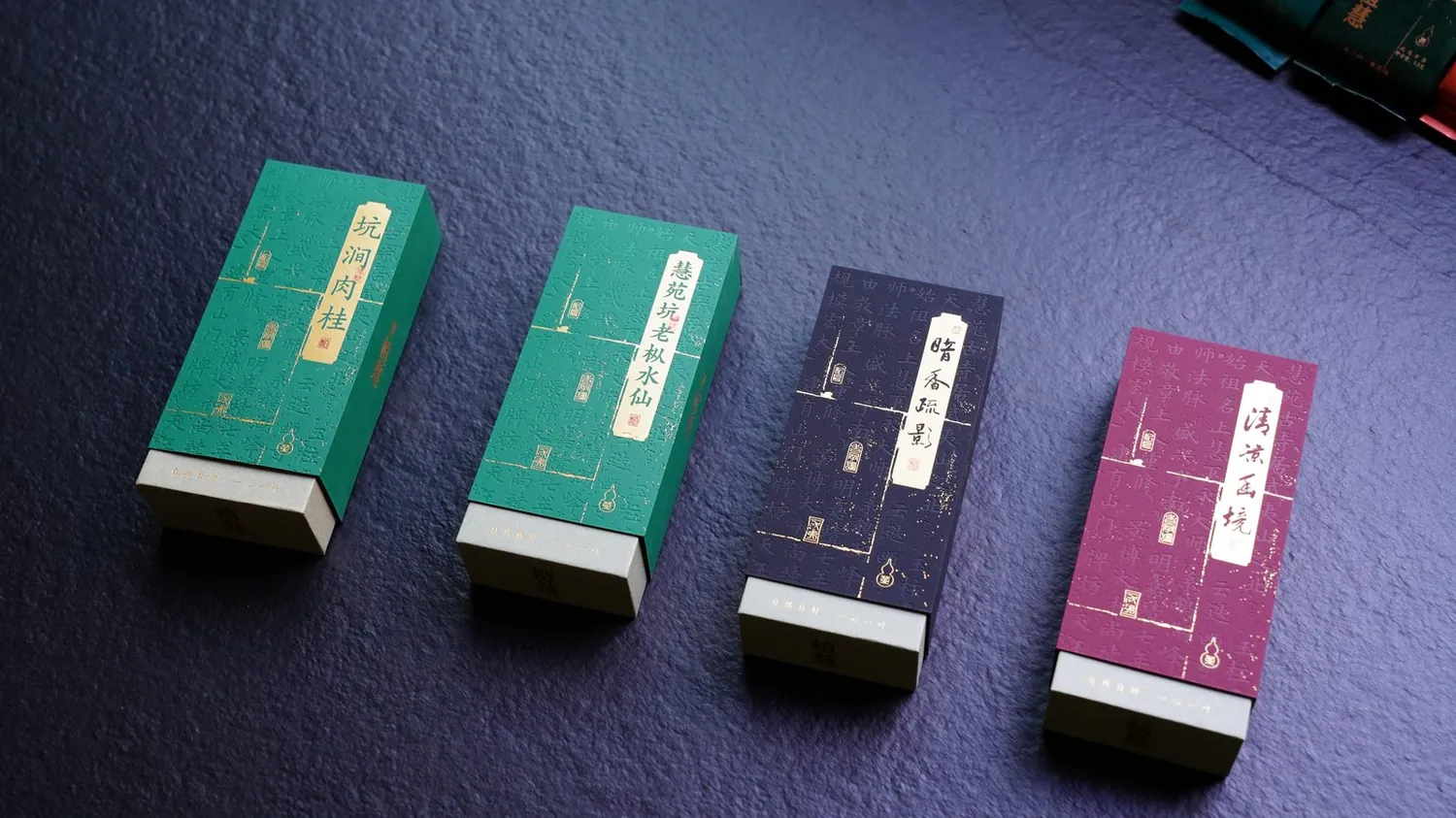
Four Wuyi rock tea boxes from the Zhihui collection

Three teas from the Chen family

Explore the tea gardens

Huiyuan Keng Old-Bush Shuixian

Huiyuan Keng names the growing site, Shuixian the cultivar, and lao cong the older bushes. The Chen family says its mature Shuixian bushes have grown here for over sixty years, some for more than a century. Taste for the weight of the tea on your tongue and the flavour that lingers after you swallow.

Old-Tree Tie Luohan

Tie Luohan, or Iron Arhat, is one of Wuyi’s traditionally named teas. The Chen family counts this old-tree selection among its signature teas. Brew it beside Shuixian using the same water and vessels. Compare the scent on each lid, then taste the second infusion of each.

Huiyuan Rougui

The family’s name for this tea pairs Huiyuan, the growing site, with Rougui, the cultivar. Rougui translates as “cassia”. Smell the warm lid just after pouring, then return to the empty cup as it cools. Which aromas can you still pick out?

How Wuyi rock tea is made

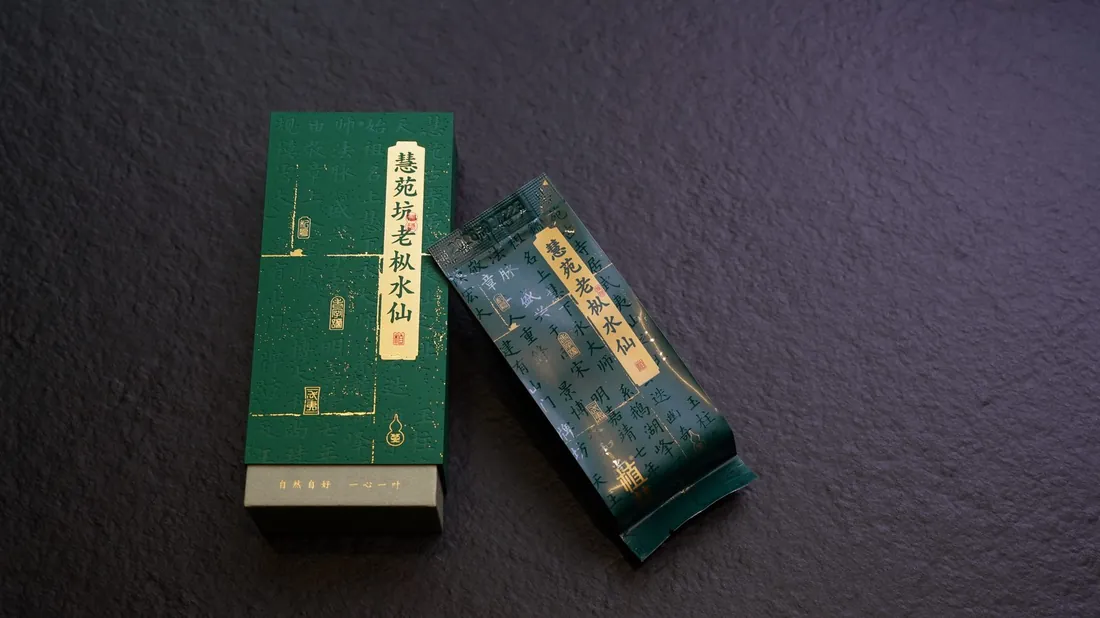
Zhihui’s green Huiyuan Keng Shuixian box and individual tea packet
Huiyuan Keng Old-Bush Shuixian from the family collection.
  1. Withering and turning

    The freshly picked leaves are left to wilt. The maker turns or shakes them, then lets them rest. Changes in colour and scent help the maker decide when to move the leaves again.

  2. Pan-firing and rolling

    Once the leaves are ready, the maker stops oxidation with heat and rolls them into long, twisted strips. Look at a leaf after brewing to see the shape that was folded into each strip.

  3. Slow roasting and tasting

    Slow roasting at low heat is part of the traditional craft. Zhihui works with leaves from each growing site separately, using tasting to decide how far to take the roast.

At the tasting table

Plan a tea visit
What kind of tea is Wuyi rock tea?

Wuyi rock tea, or yancha, is an oolong from the Wuyi Mountains in Fujian, China. Familiar examples include Da Hong Pao, Rougui and Shuixian. The growing site, cultivar and processing all help shape the cup.

What do Wuyi tea drinkers mean by yan yun?

Yan yun is often translated as “rock rhyme”. A traditional description pairs the structure of rock with the scent of flowers. To explore it for yourself, smell the tea, feel its texture as you sip, and see how long the flavour stays with you. Try again on the next infusion.

What is the difference between Huiyuan Keng and Shuixian?

Huiyuan Keng is a growing site in Wuyishan where the Chen family says its main gardens lie. Shuixian is a tea cultivar that can grow at different sites. Asking about both gives you a clearer picture of where a tea comes from.

How can a first-time visitor compare two rock teas?

Use two similar lidded bowls, the same water, equal weights of tea and the same steeping time. Taste Shuixian followed by Rougui and jot down the aroma, texture and aftertaste of each. Reverse the order for the next infusion.

Further reading